Learning through real-world spending helps children develop practical money skills. However, research shows a major financial education gap, with three-quarters of children not receiving this education at home, while those who do are more confident managing money (MaPS, 2024).
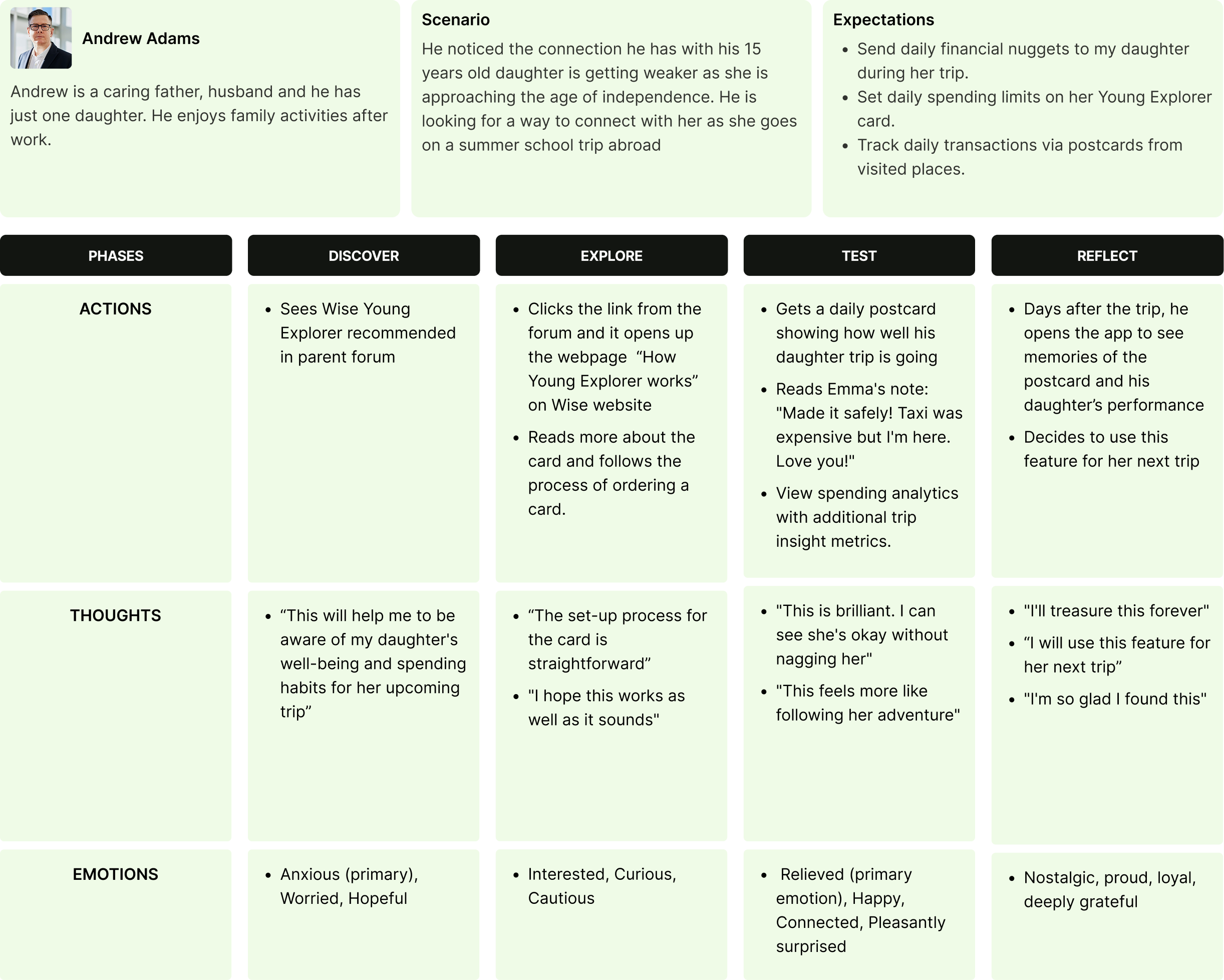
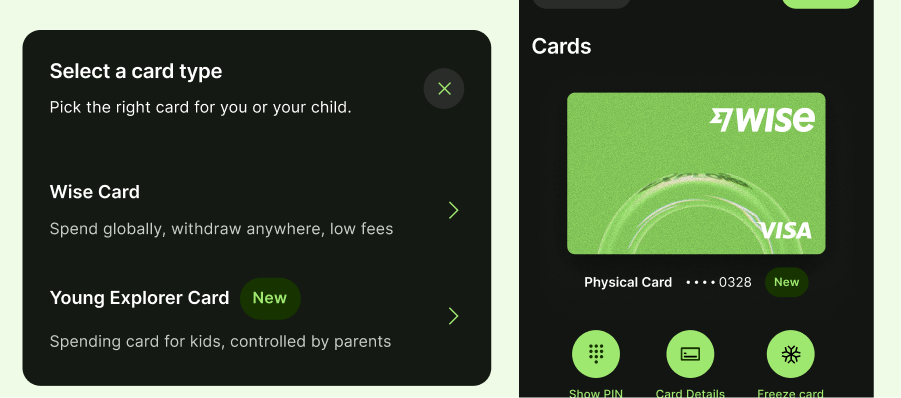
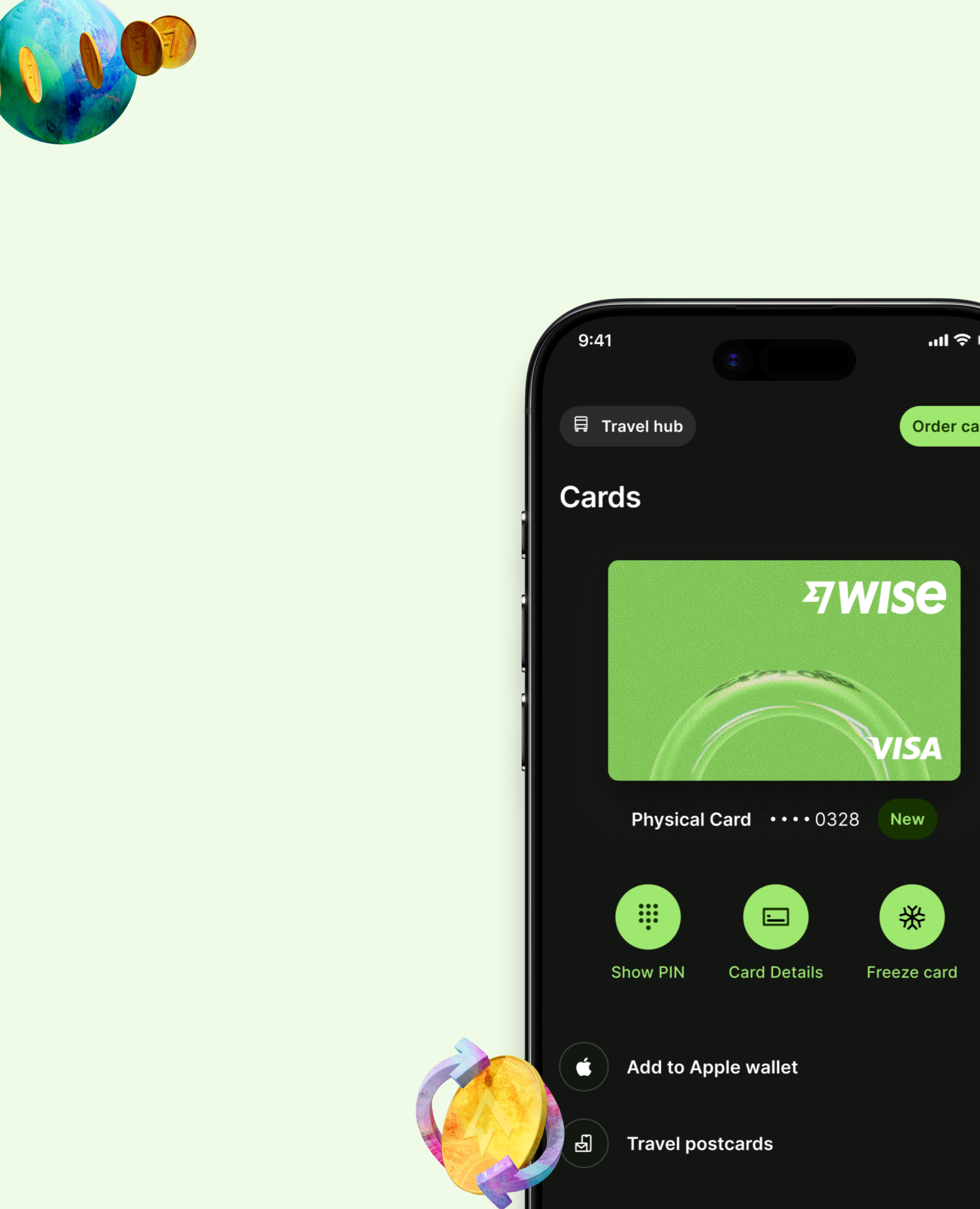
In response to this insight and the Wise Young Explorer brief, the card allows teenagers to spend independently while parents set daily or monthly limits. This supports budgeting through real experiences. While parents are encouraged to give teens independence, anxiety often remains when children travel alone. Young Explorer Money Postcards addresses this by showing parents how their teenager is managing spending during their trip, offering reassurance while supporting financial confidence.
Parental influence is also significant in long-term banking behaviour, with 39% of adults using banks chosen by their parents (TSB, 2018). This reinforces parents as the primary audience.
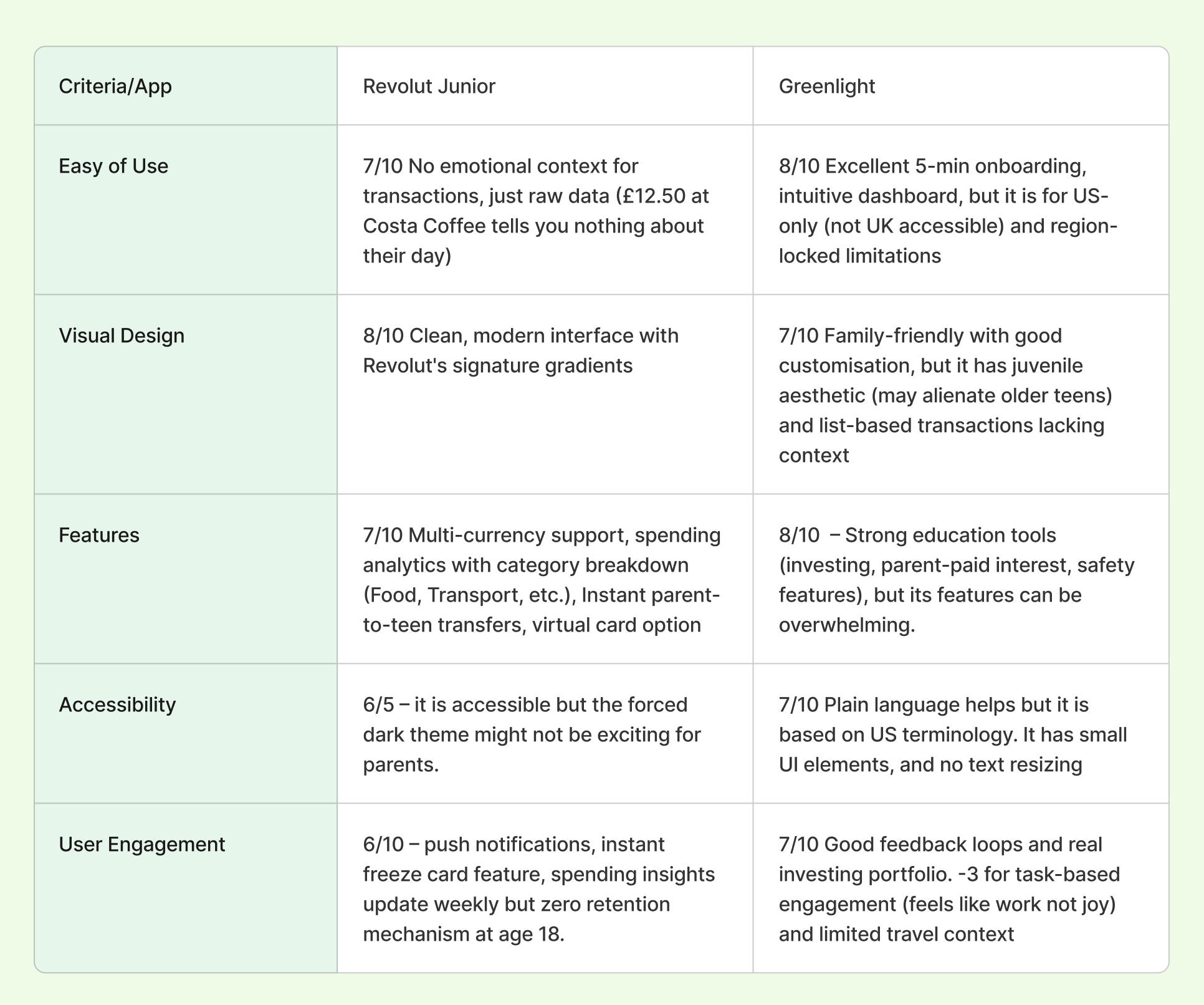
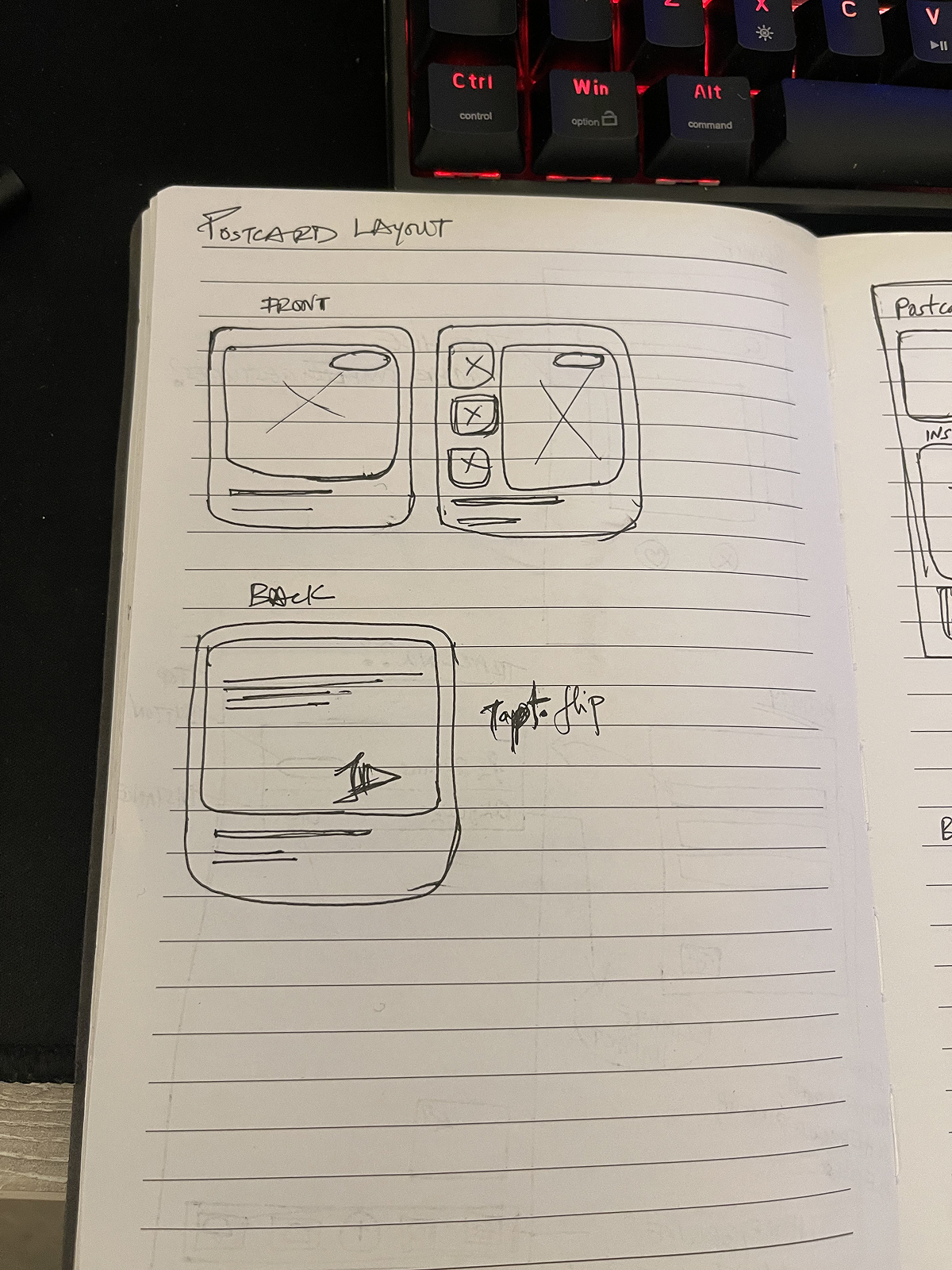
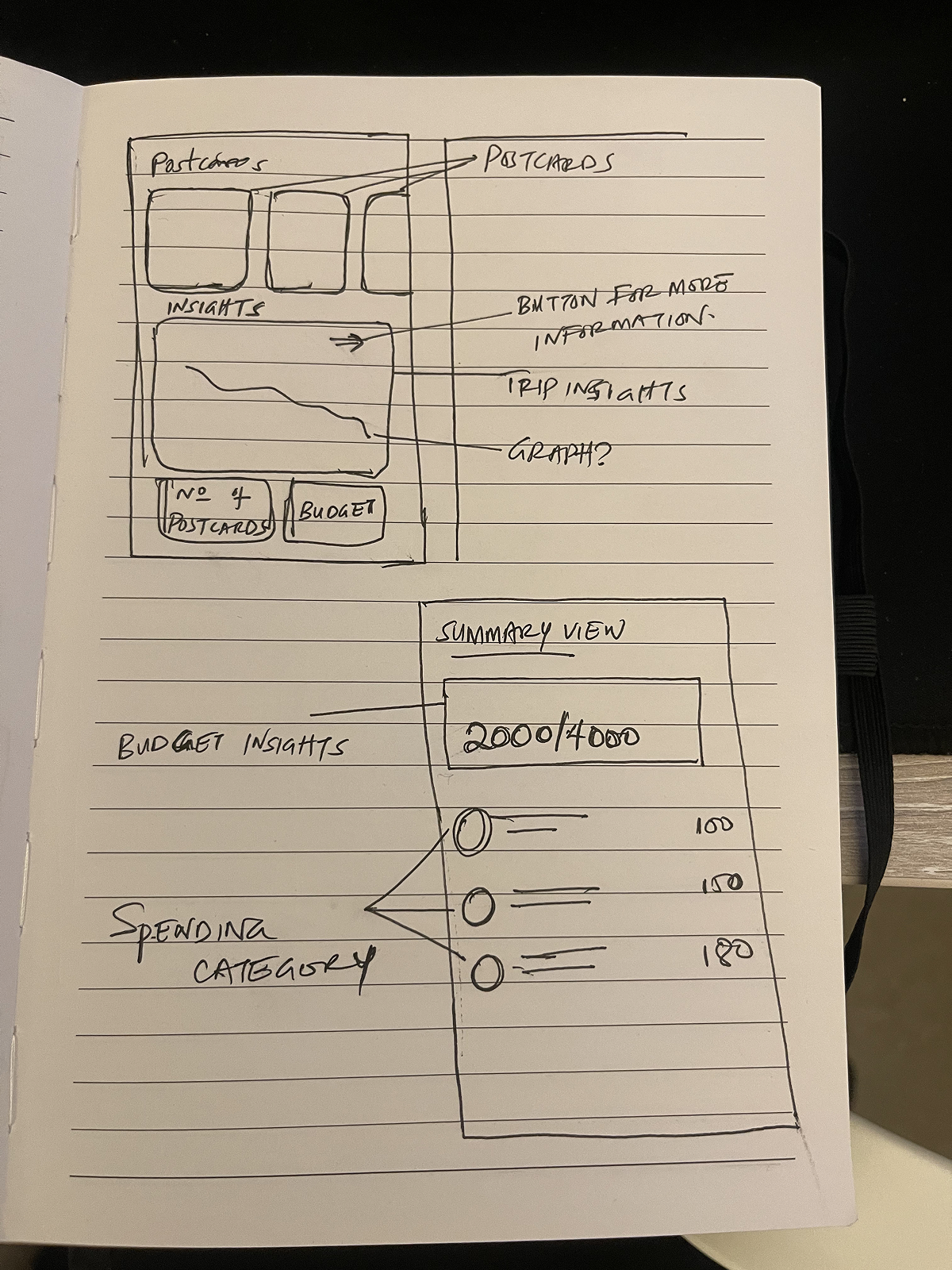
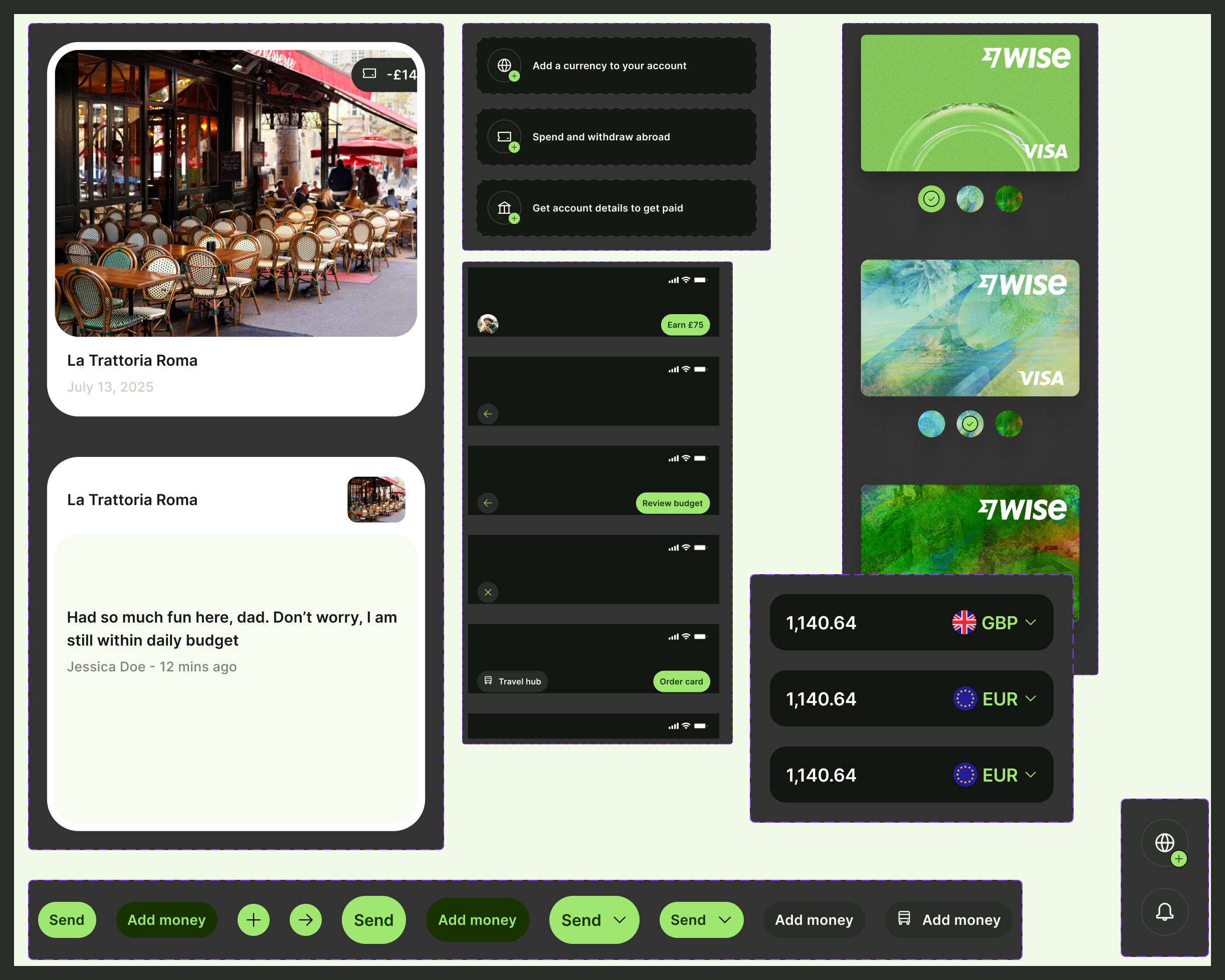
After analysing competitors like Revolut Junior and Greenlight, I found that most teen banking apps focus on control and tracking, offering little emotional connection. In contrast, Money Postcards reframes spending as storytelling. By turning transactions into digital postcards, it recreates the emotional value of physical postcards and keeps families connected across distance.

.png)
%20(1).png)
.png)

.png)

.png)


.png)







.png)
.png)
-6.png)
-4.png)
-3.png)
-1.png)
.png)
.png)
.png)
.png)
.png)

.png)

.png)


.png)